Selecting Lost Item Search Areas
Where Do Humans Lose Things? EVERYWHERE!
Lost Item Recovery search areas can be virtually anywhere you can imagine. Here are just a few examples of potential search environments:
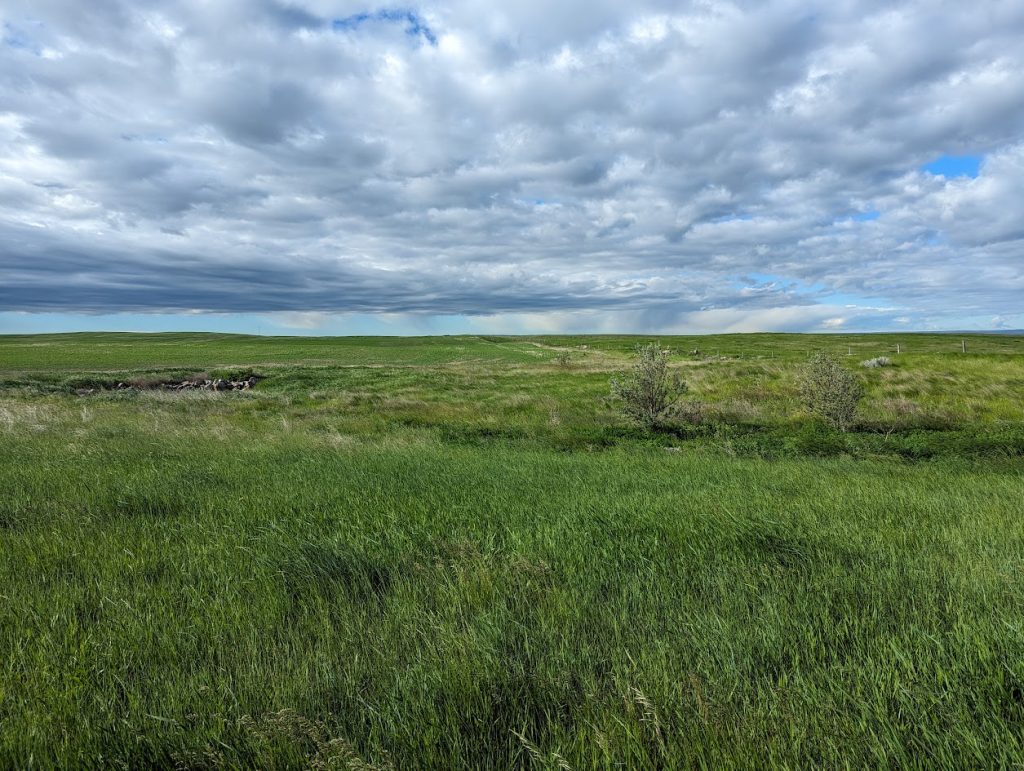
- Natural Outdoor Areas: Prairie, woods, grassy fields, sagebrush/sand fields, pastures, wheat fields
- Urban and Developed Spaces: Gravel parking lots, asphalt parking lots, soccer fields, classrooms, playgrounds, warehouses, barns and outbuildings, areas containing livestock, arenas, training facilities, garden nurseries, picnic areas/courtyards, alleys/trash sites
- Hybrid or Unique Settings: Any combination of the above!
Key Considerations for Search Areas
1. Look for Potential Safety Hazards
When evaluating potential search areas, prioritize safety for both humans and dogs. Be mindful of:
- Debris, such as broken glass or exposed nails
- Equipment or environmental dangers, like exposed saw blades, large holes in the ground, or unstable structures
- Pest control hazards, such as exposed bait stations
For competition purposes, these hazards are not considered natural distractions and should be avoided. Communicate any identified hazards to the judge so they can adjust the search setup if necessary.
2. Identify Naturally Occurring Distractions
Naturally occurring distractions are part of the challenge in Lost Item Recovery. Examples include:
- Contained livestock nearby
- Safely enclosed food items (e.g., on a table or in a cabinet)
- Trash cans or manure piles
These elements add complexity but must be managed to ensure they are safely contained and appropriate for the trial setting.
3. Consider Proximity Between Search Areas
When planning a trial, particularly where classes are run consecutively, ensure there is sufficient distance between search areas to:
- Minimize undue distractions to participating teams
- Maintain a smooth trial flow and avoid congestion
Proper planning of search areas ensures that trials are both challenging and enjoyable for all participants, while prioritizing safety and efficiency.
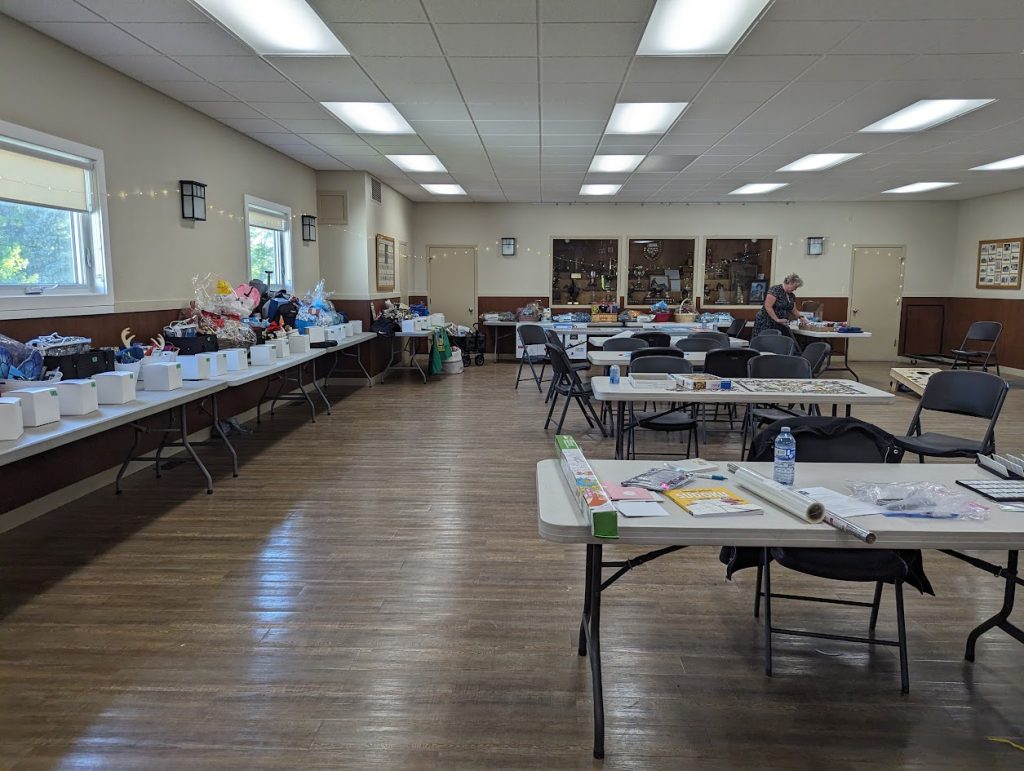
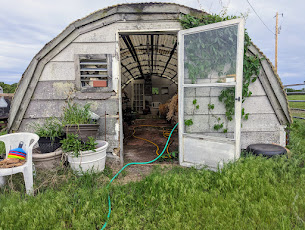
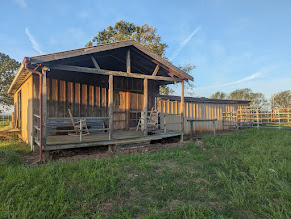
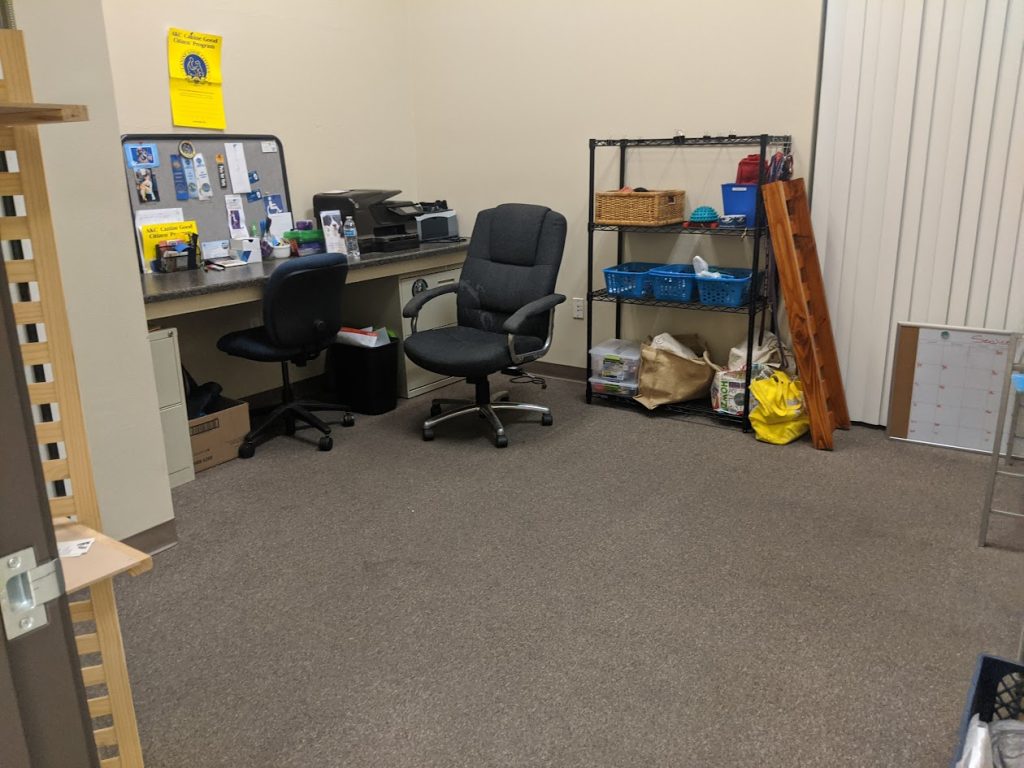
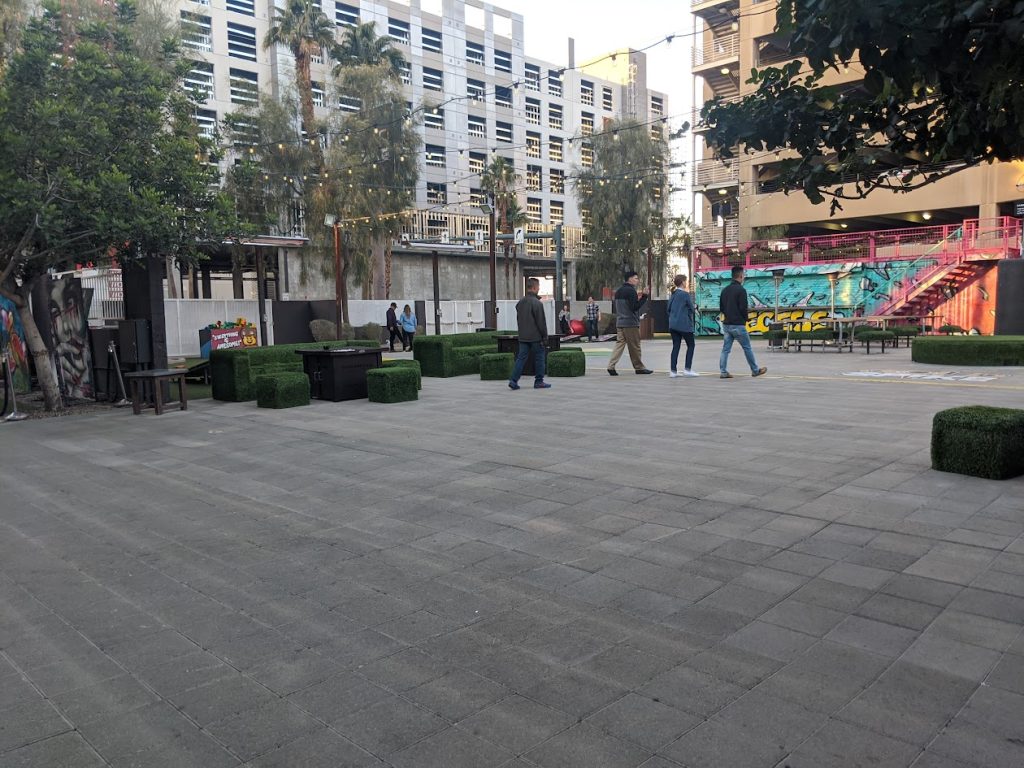
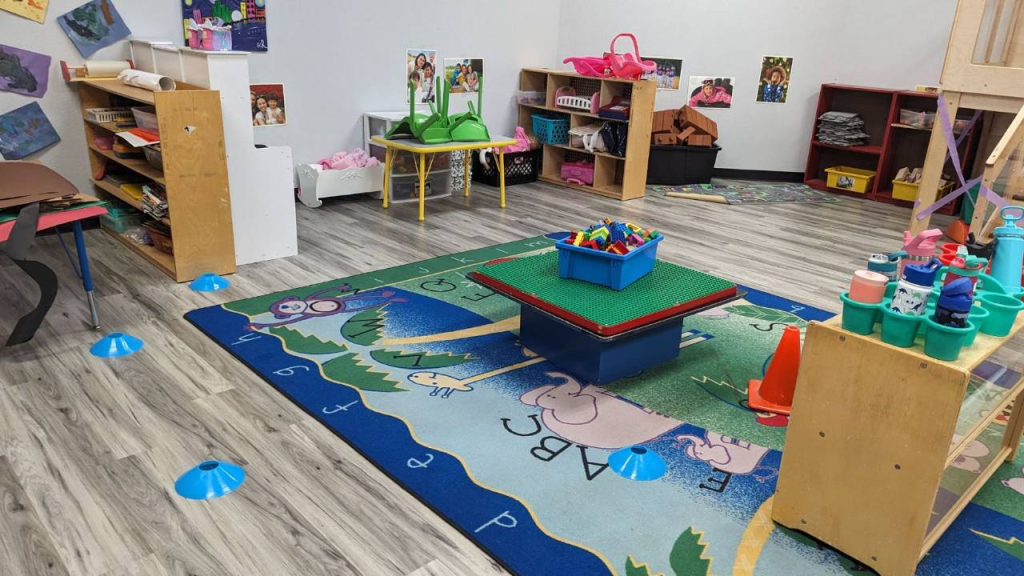
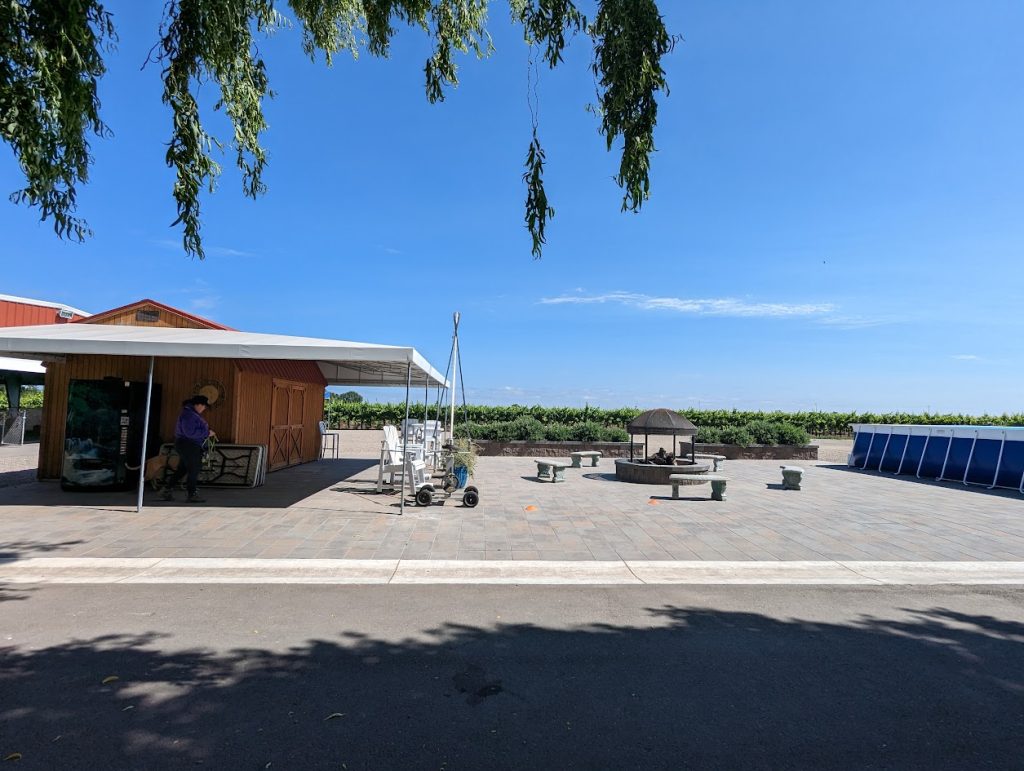
Below are examples of areas which have been successfully used for Lost Item Recovery.