About Urban Locating
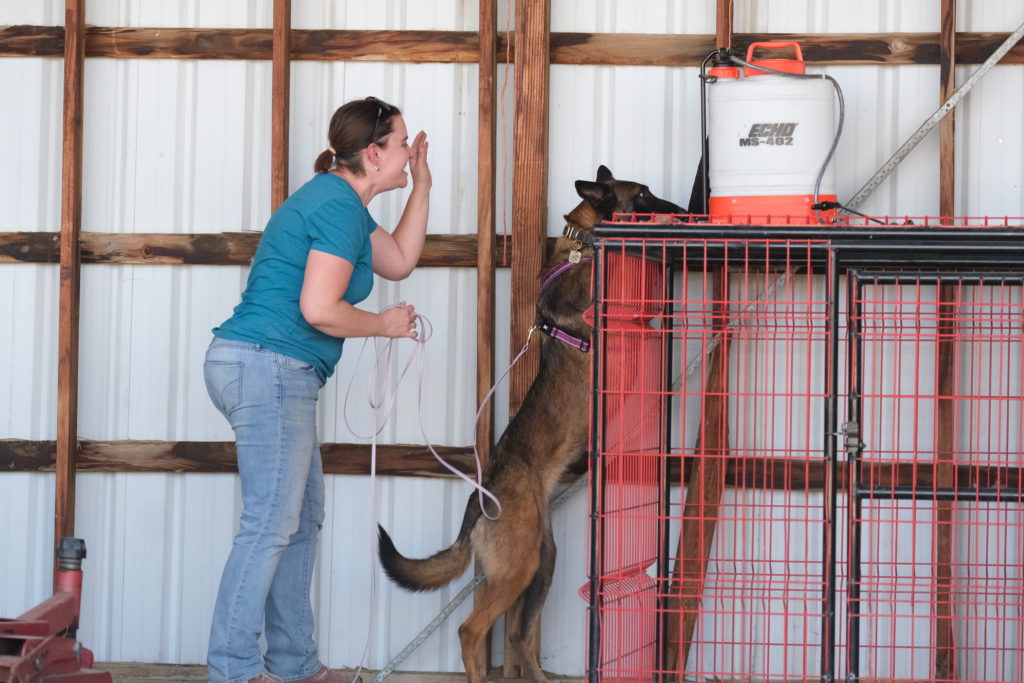
Urban Locating is designed to replicate the work of historic and modern urban hunting dogs. These tests evaluate a dog’s ability to locate quarry within a built environment—a term referring to any human-made surroundings or spaces used for human activity.
Key Features of Urban Locating
- Built Environment:
- Appropriate settings for Urban Locating include:
- Urban parks
- Streets or developed garden spaces
- Warehouses
- Working barns
- Not Appropriate: Large open spaces such as fields or green spaces are better suited for standard Trailing & Locating courses and are not permitted for Urban Locating.
- Appropriate settings for Urban Locating include:
- Indoor or Outdoor Venues:
- Urban Locating may take place indoors or outdoors.
- All environments must be approved by NASDA before the trial.
- Controlled Handling:
- Due to the unpredictable nature of built environments, dogs must compete on-leash at all levels.
- Leashes may be up to 15 feet long and made of any material, but Flexi-leads are not permitted.
- Potty Restrictions:
- Because Urban Locating often occurs in private or shared spaces, pottying in the search area is strictly prohibited.
- Any dog that potties in the search area will receive a non-qualifying score. Handlers must ensure their dogs are appropriately exercised before entering the course.
Why Urban Levels Are Unique
Urban Locating offers a distinct challenge by placing dogs in environments with higher human activity, unique distractions, and confined spaces. These settings test a dog’s focus, adaptability, and ability to work in proximity to human-made structures, further showcasing their versatility and skill.
Urban Levels provide an exciting opportunity to honor the historical roles of urban hunting dogs while exploring their modern applications in controlled, stimulating trials.