Quarry Cage Construction Guidelines
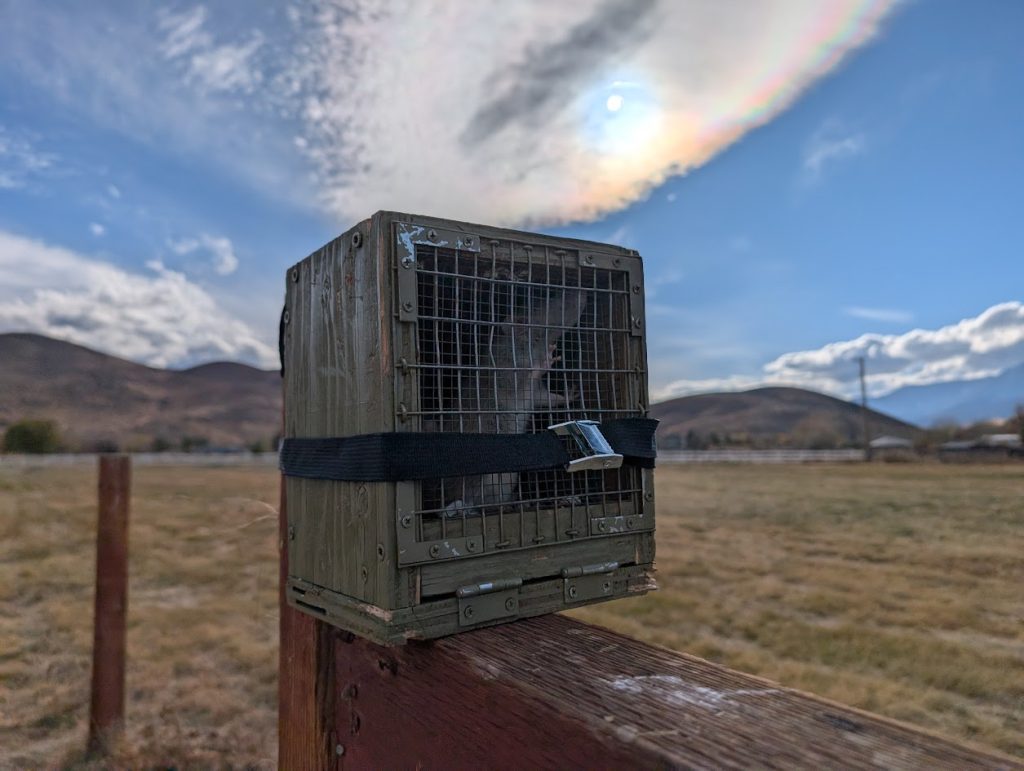
| Width | Depth | Height | |
| Minimum: | 7.25″ / 18.5 cm | 6.00″ / 15.25 cm | 7.75″ / 19.5 cm |
| Maxmium: | 9.00″ / 30 xm | 9.00″ / 30 xm | 9.00″ / 30 xm |
Quarry cages used in NASDA events must prioritize the safety and well-being of both the live quarry and the dogs. The following specifications outline the construction requirements for compliant quarry cages:
Size and Interior Requirements
- Occupancy:
- Cages must be large enough to comfortably house two gerbils or one adult rat.
- The cage should not allow excessive space that would permit the quarry to be jostled substantially during the course of work.
Materials and Construction
- Cage Body:
- Constructed from heavy-duty 3/4-inch plywood for durability and safety.
- Wire Layers:
- Outer Layer:
- Made of up to 1/2-inch heavy-gauge hardware cloth, securely fastened with heavy staples.
- Corners of the outer layer should be reinforced with L brackets secured with screws.
- Inner Layer:
- Made of 1/4-inch hardware cloth, fastened with staples or similar secure methods.
- Positioned inside the cage with a gap equal to the width of the plywood between the two layers, ensuring safety for both the live quarry and the dogs.
- Outer Layer:
- Solid Construction:
- The box must be solidly constructed on all sides except one, which will include the door.
Door Requirements
- Latch System:
- The door must be secured with a latch that:
- Is of sufficient weight to remain closed during vigorous movement.
- Is designed to avoid creating a tangle or safety hazard for the dog.
- Is located on a non mesh side.
- The door must be secured with a latch that:
- Handles:
- Handles should not be used to prevent potential risks during the trial. Clubs have until March 31, 2025 to remove handles from existing quarry cages.
Safety and Practical Considerations
- Durability:
- Cages must withstand vigorous movement without compromising the safety of the live quarry or allowing unintended access by the dog.
- Dog Safety:
- Ensure no sharp edges or protruding hardware that could injure a dog during the search.
Painting the Exterior
- Customization:
- The exterior of the cage may be painted or left natural to best match the environment where it will be used.
- Painting the exterior can help camouflage the cage for a more authentic and natural appearance during trials.